


Manufacturing methods have progressed greatly over time, fueled by technological advancements and the increasing need for more efficient production. Early methods of manufacturing relied heavily on manual labour, which was time-consuming and prone to inconsistencies. As technology progressed, the introduction of automated processes like injection moulding reshaped the industry, allowing for the mass production of high-quality parts with remarkable precision. More recently, 3D printing has emerged as a significant advancement, offering a level of design flexibility and customisation that was previously unattainable.
Selecting the appropriate method for producing plastic parts is crucial, as it affects both the cost and quality of the final product. The chosen method should match the project’s specific needs, including production volume, design complexity, and material requirements. Injection moulding and 3D printing have become two of the most popular options in modern manufacturing, each offering distinct benefits that cater to different production needs. Understanding these techniques is essential for making informed decisions in the manufacturing process.
What is Injection Moulding?
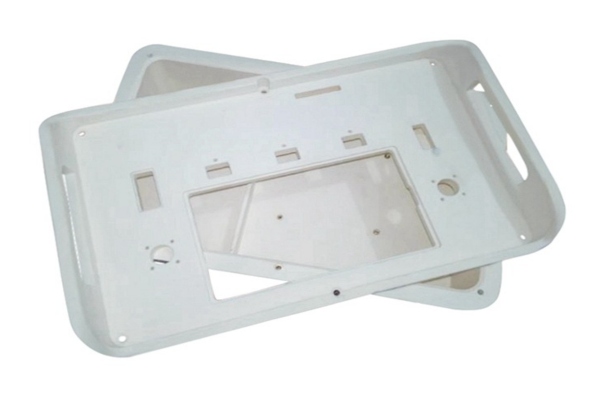
Injection moulding is a manufacturing process where molten plastic is injected into a custom mould to form a specific shape. This method is frequently used in producing plastic parts, especially when large quantities are required. The process begins with feeding raw plastic material, usually in the form of pellets, into a heated barrel. The material is heated until it melts and then pressed into a mould cavity under high pressure. After the plastic cools and solidifies, the mould is opened, and the finished part is released.
Common Materials Used in Injection Moulding
Injection moulding can accommodate a diverse range of plastic materials, each offering different properties to suit various applications. Some of the most commonly used materials include:
- Polypropylene (PP): Known for its durability and flexibility, polypropylene is often used in automotive parts, packaging, and household items.
- Acrylonitrile Butadiene Styrene (ABS): ABS is a strong, tough material used in products like electronic housings, toys, and automotive components.
- Polyethylene (PE): Widely used in packaging, containers, and tubing, polyethylene is valued for its chemical resistance and flexibility.
- Polycarbonate (PC): This material is known for its impact resistance and transparency, making it ideal for use in eyewear lenses, medical devices, and safety equipment.


Applications and Industries That Commonly Use Injection Moulding
Injection moulding is a versatile process that serves a broad range of industries. Some common applications include:
- Automotive Industry: Many parts, such as dashboards, bumpers, and interior components, are produced using injection moulding due to the process’s ability to create durable, complex shapes in high volumes.
- Consumer Goods: Everyday items like plastic containers, toys, and kitchen utensils are often produced using this method, thanks to its efficiency in mass production.
- Medical Devices: Injection moulding is used to manufacture various medical components, such as syringes, tubing, and surgical instruments, where precision and consistency are crucial.
- Electronics: Housings for electronic devices, connectors, and other components are commonly made through injection moulding, benefiting from the method’s ability to produce parts with intricate details.
Advantages of Injection Moulding
- Mass Production: Injection moulding is highly efficient for producing large quantities of identical parts. Once the mould is created, the process allows for quick, repeated production with minimal variation.
- Cost-Efficiency at Scale: While the initial cost of creating a mould can be high, the cost per part decreases significantly as production volume increases, rendering it a cost-effective solution for large-scale production.
- Material Variety: The process accommodates a wide range of plastic materials, allowing manufacturers to select the best material for the specific requirements of the part, whether it be strength, flexibility, or resistance to heat or chemicals.
Injection moulding is a effective manufacturing method with distinct advantages for producing large volumes of high-quality plastic parts. However, the initial setup costs and time investment must be carefully considered, particularly for projects with lower production volumes or tight timelines. Utilising a specialised injection moulding service can help mitigate these challenges, offering expertise in optimising production processes and managing costs. Partnering with an experienced injection moulding service ensures that your project benefits from efficient production and high-quality results.
What is 3D Printing?
3D printing is a manufacturing process that begins with a digital model, typically created using computer-aided design (CAD) software. Once the model is prepared, it is sliced into thin layers using specialised software, which then guides the 3D printer in building the object layer by layer. The printer deposits material, usually in the form of a filament, resin, or powder, in the precise locations dictated by the digital model. As each layer is completed, the object gradually takes shape, ultimately resulting in a fully formed part.
Various 3D printing technologies exist, such as:
- Fused Deposition Modelling (FDM): This is the most common type of 3D printing for home and small-scale use. It involves melting a plastic filament and extruding it through a nozzle to create layers.
- Stereolithography (SLA): SLA employs a laser to solidify liquid resin into plastic, providing greater precision and a superior surface finish compared to FDM.
- Selective Laser Sintering (SLS): SLS uses a laser to fuse powdered material, such as nylon, layer by layer to create strong and durable parts.
Common Materials Used in 3D Printing
3D printing can utilise a range of materials, each offering different properties suitable for specific applications:
- PLA (Polylactic Acid): A biodegradable and easy-to-use material, PLA is popular for hobbyist projects, prototypes, and educational models.
- ABS (Acrylonitrile Butadiene Styrene): Renowned for its strength and durability, ABS is used in various applications, such as automotive parts and consumer products.
- Resin: Used primarily in SLA 3d printing, resin offers high precision and is often used for detailed models, jewelry, and dental applications.
- Nylon: A robust and flexible material frequently used in industrial applications where durability and wear resistance are essential.
Applications and Industries That Commonly Use 3D Printing
- Prototyping: One of the most frequent applications of 3D printing is prototype development. Engineers and designers can quickly create and test models before moving on to more expensive production methods.
- Healthcare: The medical field uses 3D printing to create custom prosthetics, dental implants, and even bioprinted tissues.
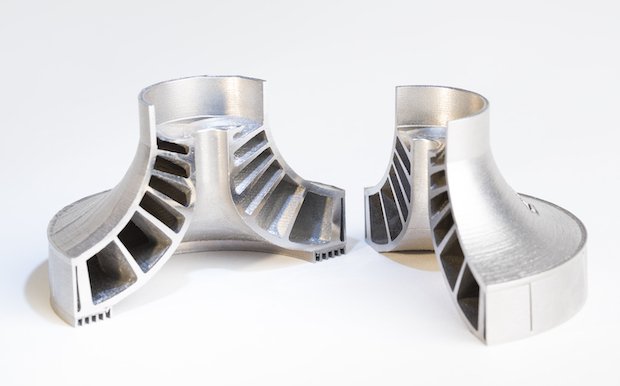
- Aerospace: The aerospace industry utilises 3D printing to produce lightweight components with complex geometries, which are essential for optimising aircraft performance.
- Consumer Products: From customised smartphone cases to intricate jewelry designs, 3D printing allows for the creation of unique consumer products suited to individual preferences.
Advantages of 3D Printing
- Rapid Prototyping: 3D printing enables the quick creation of prototypes, allowing for faster design iterations and product development. This shortens the time required to introduce a new product to the market.
- Low Initial Cost: Unlike traditional manufacturing methods that require expensive moulds or tooling, 3D printing has minimal setup costs, making it accessible for small production runs or one-off designs.
- Customisation: 3D printing allows for easy customisation, enabling the creation of unique, personalised items without the need for retooling or additional setup.
3D printing is a effective tool for producing complex, customised parts quickly and with relatively low costs. However, its slower production speed and material limitations mean it is best suited for specific applications, such as prototyping and small-scale manufacturing, rather than mass production. For businesses seeking to leverage these benefits, partnering with a reputable 3D printing service can provide valuable expertise and support. By choosing the right 3D printing service, you can ensure optimal results tailored to your project’s unique needs.
Injection Moulding vs. 3D Printing: A Comparative Analysis
| Criteria | Injection Moulding | 3D Printing |
| Cost | ||
| Initial Setup Cost | High initial cost due to mould creation. | Low initial cost as no moulds are required. |
| Cost per Unit | Cost-effective for large-scale production. | More economical for small-scale production. |
| Production Speed | ||
| Prototyping Time | Longer lead time to create prototypes due to moulds. | Rapid prototyping; parts can be produced quickly. |
| Time to Market | Fast for large quantities once the mould is ready. | Slower for large quantities due to layer-by-layer process. |
| Material Options | ||
| Material Range | Wide range of materials available, including advanced plastics. | Expanding range but still limited compared to injection moulding. |
| Material Properties | Strong, durable materials suitable for high-stress applications. | Materials may lack the strength of injection moulding materials, suitable for lighter applications. |
| Design Flexibility | ||
| Design Complexity | Limited by the mould design, complex designs can increase costs. | Ideal for complex, intricate designs with no extra cost for complexity. |
| Customisation | Less flexible, better suited for mass production of identical parts. | Highly customisable, ideal for unique or small batch designs. |
| Scalability | ||
| Low-Volume Suitability | Not cost-effective for small volumes due to high setup costs. | Well-suited for small volumes and one-off productions. |
| High-Volume Suitability | Excellent for high-volume production, reducing per-unit cost significantly. | Not ideal for high-volume production due to slower process and higher per-unit cost. |
| Quality and Precision | ||
| Surface Finish | Generally provides a smooth, high-quality finish. | Surface finish may require post-processing to match injection moulding quality. |
| Durability | Parts are strong and durable, suitable for demanding applications. | Durability varies depending on material and printing technology, often less robust. |
Use Case Scenarios
When to Choose Injection Moulding
Injection moulding is perfect for projects that need to produce large volumes of identical parts. It’s especially suited for high-volume manufacturing, where cost per unit decreases significantly after the initial mould is created. For example, automotive components, household items, and packaging materials are often produced using injection moulding due to its efficiency and ability to create durable, precise parts.
When to Choose 3D Printing
3D printing is the better choice for projects that need rapid prototyping, customisation, or small batch production. It’s ideal for crafting complex, intricate designs that would be challenging or costly to produce with conventional methods. Examples include custom medical devices, prototype models, and unique consumer products. 3D printing allows for quick iterations and the production of detailed, one-of-a-kind items without the need for costly moulds.
When comparing injection moulding and 3D printing, it’s clear that each method has distinct advantages depending on the specific needs of a project. Injection moulding excels in high-volume production, offering cost efficiency, consistency, and durability, making it the preferred choice for large-scale manufacturing. On the other hand, 3D printing provides unparallelled flexibility, making it ideal for rapid prototyping, customisation, and creating complex designs that would be challenging with traditional methods.
Ultimately, the decision between injection moulding and 3D printing should be based on factors such as production volume, design complexity, material requirements, and time constraints. By carefully considering these elements, manufacturers can select the most appropriate method to achieve their production goals, ensuring both efficiency and quality in the final product.